
Voice planning

Plan your next voice maker for female narration project

A voice maker for female narration starts with a specific role, not a pitch stereotype. Describe the speaker, audience, and delivery you need, then listen for clarity and fit before publishing.

Free to start · no signup
Voicemaker landing visual

Why choosing a female voice can be harder than it sounds

A label such as “female” says little about how a line should land. Pace, age impression, accent, warmth, and emphasis all affect whether listeners trust the message.

Where the voice needs to work

Choose a delivery for the listener’s situation rather than assuming one female voice suits every audience. These briefs give a voice maker a clearer starting point.

Explainer producer

A short product walkthrough needs a steady narrator who makes unfamiliar steps easy to follow without sounding like an advertisement.

A restrained female read with room for on-screen actions and a final pronunciation check.

ai voice generator for advertising free
Audio storyteller

A fictional guide introduces a setting across several episodes. Emotional range matters, but the character should still sound recognizable.

A written character brief and repeatable direction for each new passage.

best ai voice generator for music

Campaign editor

A spoken promotion must deliver its main point before a viewer scrolls past, without rushing names or the call to action.

A concise script tested aloud at more than one pace before approval.

ai voice generator for advertising free

Podcast producer

Recurring segment introductions need a female presenter whose tone remains familiar even when the topic changes.

A consistent style brief, plus a human review of each completed introduction.

best ai voice generator for music

Three concrete workflows for a better read

These workflows begin with the script because even a convincing voice cannot rescue unclear wording.

  1. 1

    Brief a narrator

    For an explainer, identify the audience, intended mood, and difficult names. Write a short passage with natural pauses, then assess whether each instruction remains understandable when heard once.

  2. 2

    Direct a character

    For fiction, describe the character’s purpose and emotional restraint instead of requesting an imitation of a real performer. Keep a reference brief so later scenes follow the same interpretation.

  3. 3

    Test a campaign line

    For a promotion, record the key message and call to action in plain language. Listen in the context of the edit, checking that timing does not swallow a qualification or brand name.

Compare the two scripts before choosing a delivery

A useful voice maker comparison begins with words and direction, not a claim that one voice type is universally better.

1

Speaker

Vague brief

Female voice

Production-ready brief

Warm, composed museum guide addressing first-time visitors

2

Audience

Vague brief

Everyone

Production-ready brief

Visitors listening while entering a busy lobby

3

Pace

Vague brief

Natural

Production-ready brief

Measured enough for directions to be understood once

4

Pronunciation

Vague brief

Not specified

Production-ready brief

Confirm the museum name and exhibit title with the editor

5

Emotion

Vague brief

Friendly

Production-ready brief

Welcoming, without turning instructions into a sales pitch

6

Review

Vague brief

Use the first acceptable take

Production-ready brief

Check intelligibility, timing, and rights before release

What a convincing sample cannot prove

A female-sounding sample may fit the brief and still need corrections. Treat the first result as material for review, not permission to publish.

  • Identity cannot be inferred

    A generated female presentation does not establish the identity, age, or lived experience of a speaker.

    WorkaroundDescribe the audible delivery you need without assigning a real identity to the voice.

  • Pronunciation is not guaranteed

    Names, local terms, and acronyms can sound wrong even when the surrounding sentence flows well.

    WorkaroundAsk the relevant person to confirm pronunciations and listen to every final line.

  • A sample does not grant rights

    Hearing a voice or resemblance does not authorize impersonation, cloning, or every commercial use.

    WorkaroundCheck consent and the applicable terms before using the result in a public project.

Example output: a clearer narrator brief

The images illustrate a shift from choosing a generic voice category to directing a particular performance; they are not audio samples or evidence of a generated result.

  • Before: select a category
  • After: direct the role

Example brief: “Welcome to the museum. Begin with a calm greeting, leave a beat before the gallery directions, and say the exhibit title exactly as approved.” A voice maker still needs a listener to judge whether that direction comes through.

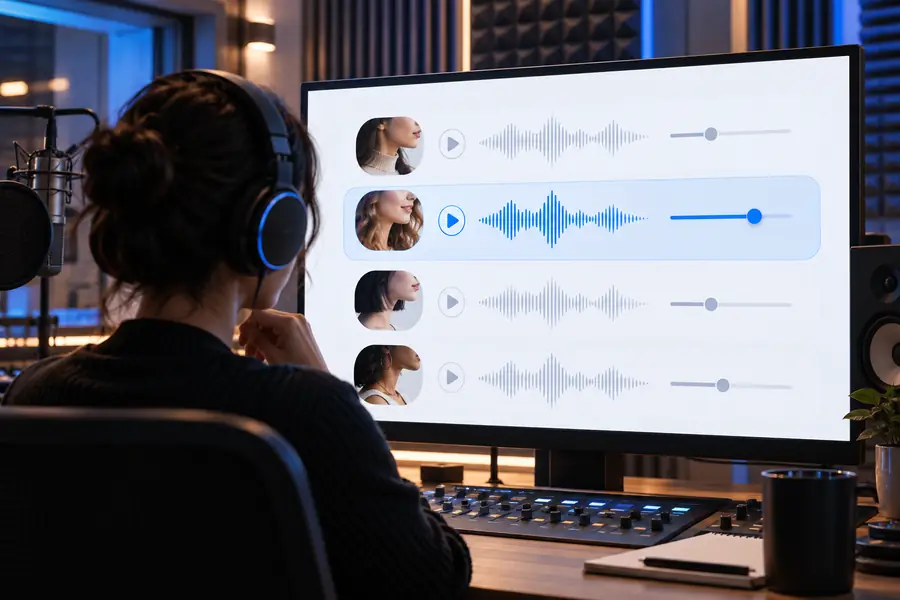
Illustration of a standard voice selection interface
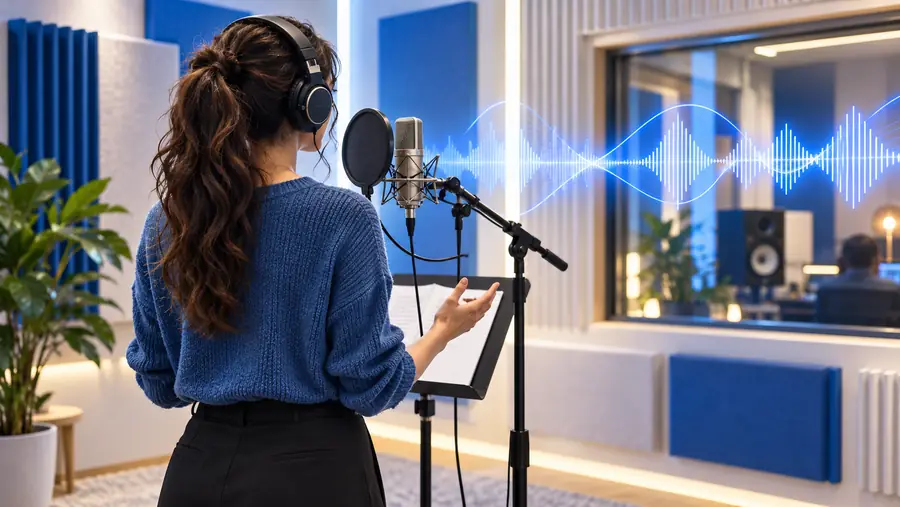
Illustration of a female voice narration concept

Check consent before the final cut

Give the narrator a role, then review the result

Before publishing a female voice, confirm the script, pronunciation, intended use, and any permissions needed for names or recognizable voices. Keep an editor in the loop for sensitive claims and audience-facing instructions.

Create voice narration
  • Describe delivery rather than a real person’s identity
  • Review the complete script in context
  • Confirm rights for the intended use

Female voice maker FAQ

Start with the audience and the job of the script. Compare short passages for intelligibility, pace, and tone, then check important names in the full read rather than relying on a voice label.

A consistent character brief can help you evaluate successive scenes, but results should be checked rather than assumed identical. Keep notes on delivery, pronunciation, and emotional range for each review.

Avoid using a recognizable person’s voice or identity without appropriate permission. Describe qualities such as calm pacing or an upbeat delivery instead of naming someone to imitate.

Suitability depends on the audience, message, and execution, not the speaker’s perceived gender alone. Test whether the read makes the offer understandable and verify usage rights before publishing.

Listen to the entire piece for mispronunciations, awkward emphasis, and lines that sound misleading out of context. Confirm consent where relevant and review the terms for your intended distribution.

Start creating
Start creating